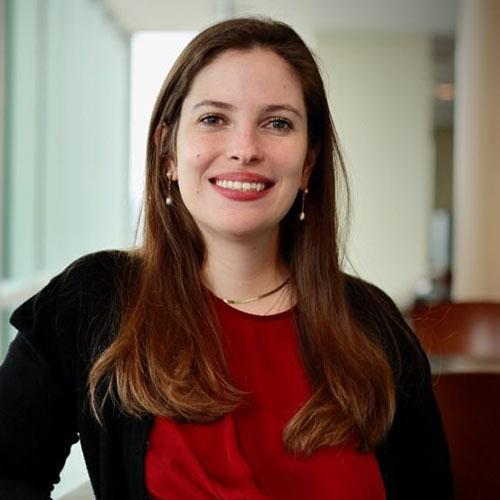
Assistant Professor of Pharmacology & Toxicology (starting January 1, 2027)
Key Words: Brain tumors, neuroimmunology, tumor microenvironment, cancer immunotherapy, diffuse midline glioma, glioblastoma.
We investigate how brain tumors interact with immune cells and neural signals to drive tumor growth and resist treatment. By combining cancer biology, neuroimmunology, and neuroscience, we aim to uncover new therapeutic targets and develop more effective treatments for children and adults with aggressive brain cancer.
Themes in our work
1. Restoring the body’s natural defenses against aggressive brain tumors
Our research explores the molecular vulnerabilities of aggressive brain tumors to develop more effective, targeted treatments. We focus on restoring the protective mechanisms that normally prevent cancer growth and understanding how tumor biology shapes treatment response. Our work centers on three areas:
Restoring tumor suppression: Reestablishing the function of p53, a protein that helps damaged cells repair themselves or undergo cell death but is frequently disrupted in cancer.
Identifying tumor vulnerabilities: Defining the genetic changes and molecular features that drive tumor growth and create opportunities for therapeutic intervention.
Developing precision therapies: Translating these discoveries into treatments tailored to the biological characteristics of individual tumors.
Our goal is to turn molecular insights into new therapeutic strategies that improve outcomes for patients with aggressive brain tumors.
2. Redirecting the Immune System to Fight Brain Tumors
Aggressive brain tumors can manipulate immune cells and turn them into supporters of cancer growth. Our research investigates where these cells come from, how their origins shape their behavior, and how tumors influence their activity. In preclinical models, we have found that interrupting specific signals within immune cells can reduce immune suppression and slow tumor growth.
We're investigating:
Trace immune cell origins: Understand where tumor-associated immune cells come from and how their origins influence their behavior.
Interrupt tumor signals: Identify the signals that allow brain tumors to suppress immune responses and support their growth.
Redirect immune responses: Develop strategies to help immune cells fight cancer while protecting healthy brain tissue.
Supported by NIH K99/R00 and CPRIT funding, this research aims to advance more effective treatments for aggressive brain tumors.
3. Investigating how neural signals influence tumor growth and the body's ability to fight cancer.
Brain tumors may influence neuronal activity in ways that support their growth and suppress immune responses, both within the brain and throughout the body. We investigate how communication between neurons, tumor cells, and immune cells shapes disease progression, using neuronal circuit mapping and compound screening to explore new treatment opportunities.
We're exploring how to:
Map neural connections: Investigate how brain tumors alter neuronal circuits and influence signals throughout the body.
Understand immune responses: Uncover how neuronal activity affects immune cell behavior and the body's ability to fight cancer.
Identify treatment opportunities: Screen compounds that target neuronal signaling to explore potential new strategies for controlling brain cancer.
Find us:
Current Position:
2027 - Current
Assistant Professor
Division of Pharmacology & Toxicology
College of Pharmacy
The University of Texas at Austin
Austin TX
Education and Training:
- Post-doctoral Fellow, Mayo Clinic, Rochester, MN and University of Pittsburgh, PA, USA
- Post-doctoral Fellow, University of Campinas, Brazil
- Ph.D. in Biosciences, Federal University of Health Sciences of Porto Alegre, RS, Brazil
- M.S. in Biochemistry, Federal University of Pelotas, RS, Brazil
- B.S. in Biotechnology, Federal University of Pelotas, RS, Brazil
Honors and Awards
- 2026- CPRIT First-Time Tenure-Track Recruitment Award
- 2025- Feigin Rising Star Award, Texas Children’s Hospital
- 2024- MERIT Emerging Leader Award, Memorial Sloan Kettering Cancer Center
- 2024- Leading Edge Fellow, Howard Hughes Medical Institute
- 2024- ExCEL Scholar Award, Albert Einstein College of Medicine
- 2025- K99/R00 Pathway to Independency Award, NIH
- 2023- Eddie Méndez Scholar Award, Fred Hutchinson Cancer Center
- 2023- V Foundation Scholar Award
- 2022- Hyundai Hope on Wheels Scholar Award