
In the heart of Magnolia, Texas, a small town northwest of Houston where neighbors wave from porches and local business owners still know your name, Magnolia Pharmacy stands as more than a place to pick up prescriptions. It's a gathering place, a wellness destination and, increasingly, a lifeline.
"We like to say we're not just a pharmacy," says Steve Hoffart (B.S. '94, Pharm.D. '02). "We're part of people's health care journey and when you're rooted in the community, you feel that responsibility a little deeper."
Steve opened Magnolia Pharmacy in 2002 with a simple but bold idea: to build a pharmacy that put people before profit, rooted in relationships not transactions. At the time, chain pharmacies were expanding across the country. The idea of a full-service independent pharmacy felt almost nostalgic—complete with original wood floors and old-school charm.
Now, more than two decades later, as national chains shutter hundreds of locations across the U.S., a new challenge emerges: pharmacy deserts—communities with limited or no access to pharmacy care. But in Magnolia, the story is different. Instead of pulling back, Magnolia Pharmacy is stepping up, meeting the moment and filling not just prescriptions but critical gaps in care.
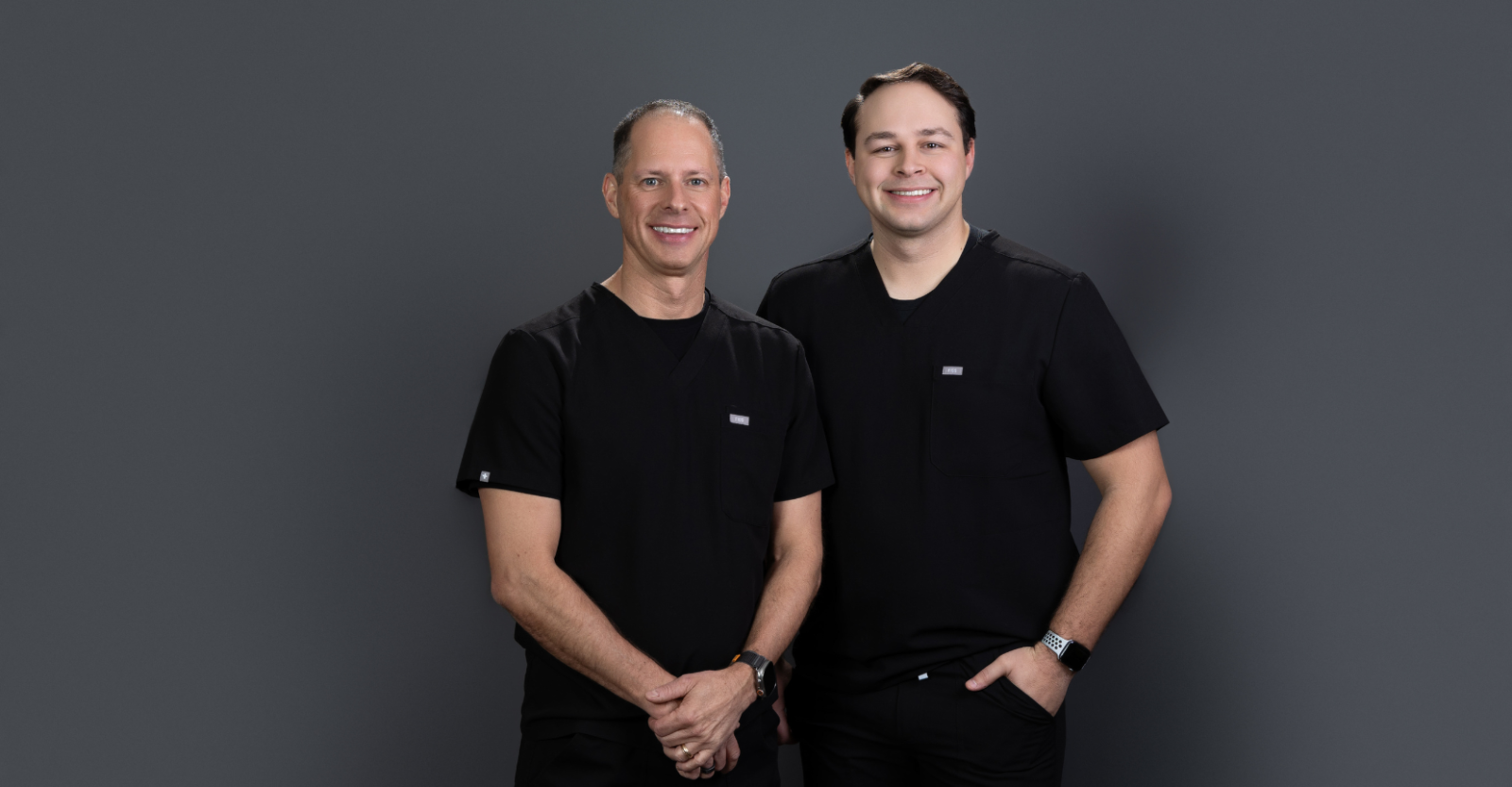
Today, Magnolia Pharmacy enters a new chapter led by two generations of Hoffarts, both proud alumni of The University of Texas at Austin College of Pharmacy.
Independent, But Not Alone
While Magnolia Pharmacy continues to grow, the landscape for independent pharmacies across the country grows more difficult. Community pharmacies, often the most accessible point of care in their towns, are under mounting pressure. Shrinking reimbursements and rising overhead have pushed many to the brink. According to the National Community Pharmacists Association (NCPA), the U.S. has lost thousands of independent pharmacies since 2019. And for those that remain, "you can fill yourself out of business if you're not careful," Steve says.
There's grit in his voice when he talks about the financial tightrope of running an independent pharmacy. "A few years ago, we were growing fast, but I was struggling to pay the bills. We had to rethink everything."
What Magnolia Pharmacy did, though, was not scale back. They evolved.
"I go to a conference and come back with a thousand new ideas," Steve laughs. "The team's like, 'Slow down! Let us catch up.'" One of those ideas? Reimagining what a pharmacy could offer—beyond dispensing medications.
Magnolia Pharmacy now provides appointment-based consultations, point-of-care testing, compounding and wellness-focused services like nutrition coaching and wearable health technology support. It's not uncommon for patients to come in asking about their Oura Rings or continuous glucose monitors and leave with a tailored plan to support their goals.
"We realized early on that the future wasn't just in prescriptions, it was in whole-person care," says Ryan Hoffart (Pharm.D. '23), Steve's son and now co-leader of the pharmacy. "People want support with sleep, stress, supplements. They want someone to help them make sense of all the data they're tracking, and we’re in a position to do that."
From Longhorns to Legacy
Both Steve and Ryan are proud graduates of The University of Texas at Austin College of Pharmacy, though their journeys were decades apart. For Steve, Texas Pharmacy was where he earned his original B.S. in Pharmacy—"back when the Pharm.D. degree was still brand new," he jokes—and later, his post-baccalaureate Pharm.D.
Ryan followed in his father's footsteps, graduating with his Pharm.D. in 2023, but his path wasn't a given. "I didn't know exactly what I wanted to do," Ryan says. "I was interested in science, but dad was like, 'I don't want you to make this decision because I have a pharmacy—I want you to figure it out on your own.'" Steve laughs, admitting he was initially hesitant. "I was kind of anti-Ryan going to pharmacy school at first," he says. "I wanted to make sure it was his choice."
A major influence came from Arlyn Kloesel, a beloved faculty member and longtime fixture at the College of Pharmacy. Steve recalls, "Arlyn was super instrumental in helping Ryan understand what pharmacy school was really about. We even did a pre-pharmacy tour with him and Arlyn took us around. It was a big part of Ryan’s journey."
Once at Texas Pharmacy, Ryan found his stride. Through NCPA, he connected with student leaders across the country. He attended conferences, led initiatives and discovered how deeply aligned he was with the mission of community pharmacy.
"It prepared me not just to be a pharmacist but to lead," Ryan says. "It gave me the confidence to come into our pharmacy and bring new ideas right out of school."
The Pharmacy at the Center of Care
Pharmacies like Magnolia are becoming something rare in today's environment: accessible health care.
"You don't need an appointment to walk through our doors," Steve says. "And when you do, we have time for you."
With primary care shortages and overloaded clinics, pharmacies are stepping in to fill the void. Community pharmacists are among the most trusted healthcare professionals, and often the most visible. Magnolia Pharmacy is leaning into that opportunity, providing lab testing, hemoglobin A1C screenings and even genetic testing to help tailor medication plans.
"Medicine isn't one-size-fits-all anymore," Steve says. "The more we can personalize care, the better outcomes we'll see."
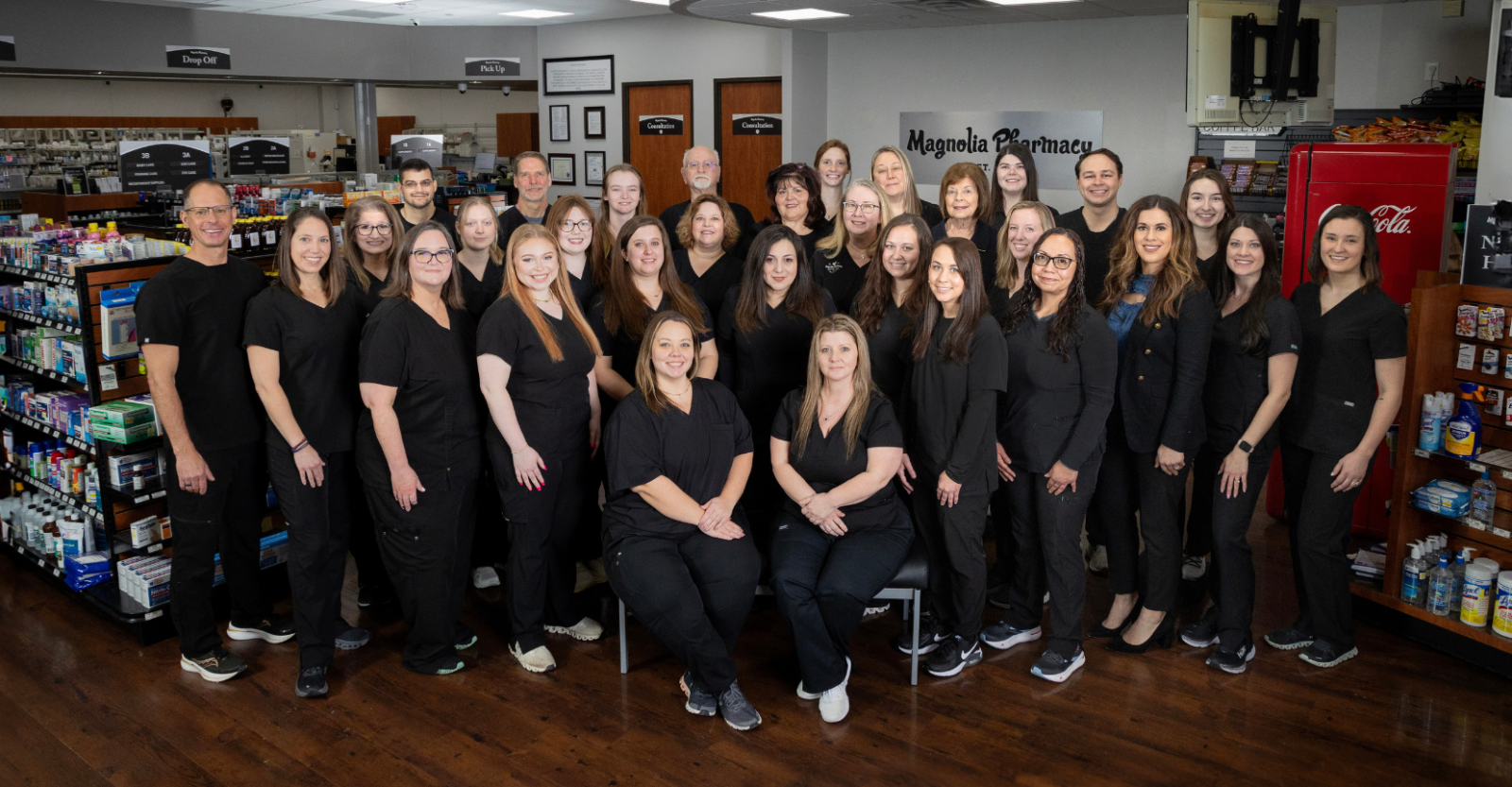
This personalized care extends beyond patients to the team itself. Steve emphasizes the importance of cultivating leadership and ownership among the employees: "I look for people who want to run this place like they own it—even if they don't," he says. "That mindset creates a culture where everyone feels empowered to deliver the best care possible."
In many ways, the pharmacy has become what Ryan calls a "healthcare destination"—a place where people come not just for medications but for guidance, connection and a path toward feeling better.
"It's also a model that pharmacy students are watching closely. You hear more and more students say they want to be in ambulatory care, they want to work directly with patients," Ryan says. "Well, that's what we're doing here. And it's growing."
Looking Ahead
As Magnolia Pharmacy looks to the future, there are still challenges: PBM reform, staffing shortages and rising costs among them. But there's hope.
"There's a reason we're still here," Steve says. "We've adapted, we've innovated and we've never forgotten who we're here for."
That sense of purpose, rooted in their community and shared Longhorn legacy, is what drives the Hoffarts forward.
"Five years ago, we never imagined we'd be doing all this," Ryan says. "And in five years from now, I'm sure we'll look back and say the same thing. But we'll keep showing up. That's what we do."
Because in a healthcare system that often feels like it's pulling away, the Hoffarts are leaning in—one prescription, one conversation and one relationship at a time.
This article was written as part of the Spring 2026 edition of Focus—the magazine of the The University of Texas at Austin College of Pharmacy.